Led by Women.
Serving the Nation.
Leadership is already present in classrooms, clinics, enterprises and communities. Women Lead Nepal is being developed to connect that capability with public purpose.
Women shaping the work—not standing at its edge.
- Leaders
- Teachers
- Professionals
- Entrepreneurs
- Researchers
- Health workers
- Community organizers
- Policy contributors
- Public servants
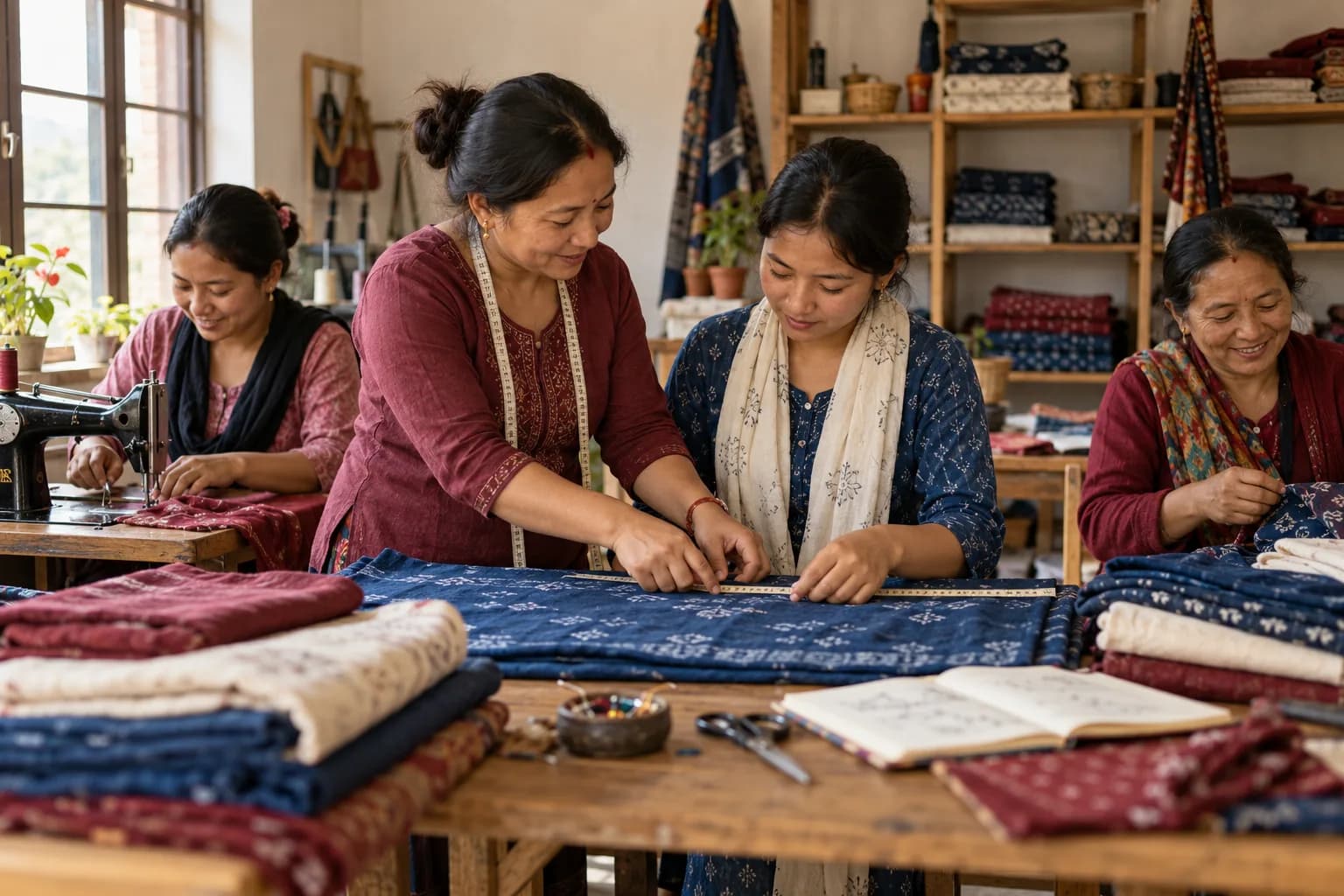
Experience becomes
public leadership.
Women’s knowledge belongs in the decisions that shape services, livelihoods and the future of a community. The network’s design connects practical learning with opportunities to contribute.
Different ways to lead.
Leadership
Develop judgment, communication and the ability to lead responsibly in professional and community settings.
Service
Connect knowledge and time with useful community roles, appropriate training and safeguarding.
Enterprise
Explore practical skills, entrepreneurship and women’s participation in local economic life.
Public Participation
Strengthen the confidence and understanding needed to contribute to public decisions.
Mentorship
Create space for learning across professions, experiences and generations.
Community Action
Bring people together around a clear local purpose, with responsibilities and a way to learn from the work.
The leadership challenge
Participation becomes meaningful when women can influence priorities, contribute expertise and carry responsibility. Confidence, practical skills and institutional access belong together.
Policy & Public Life
The network’s proposed policy dimension connects women’s experience with research, prevention education and informed institutional engagement.
Regional Focus
Far-West and Mid-West Nepal are priorities for developing accessible leadership and community participation pathways.
Latest Update
The six pathways form the current network concept. General expressions of interest can help identify relevant experience and potential collaboration.
Related story themesRelated research agendaBring your experience to the network.
Start with a general introduction and the pathway that interests you.